
✦ On Guildcraft
Field notes from a seasonal immersion

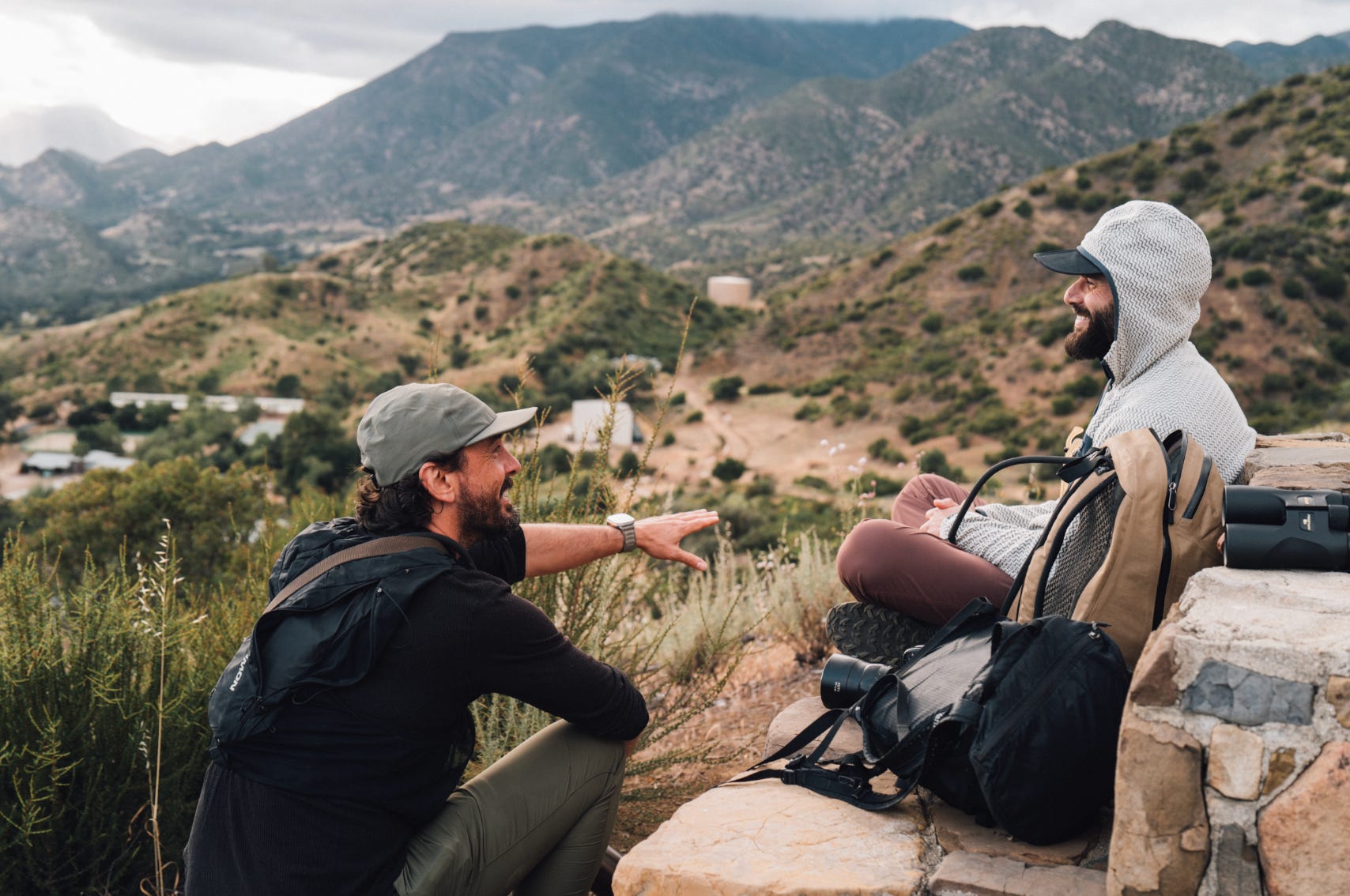
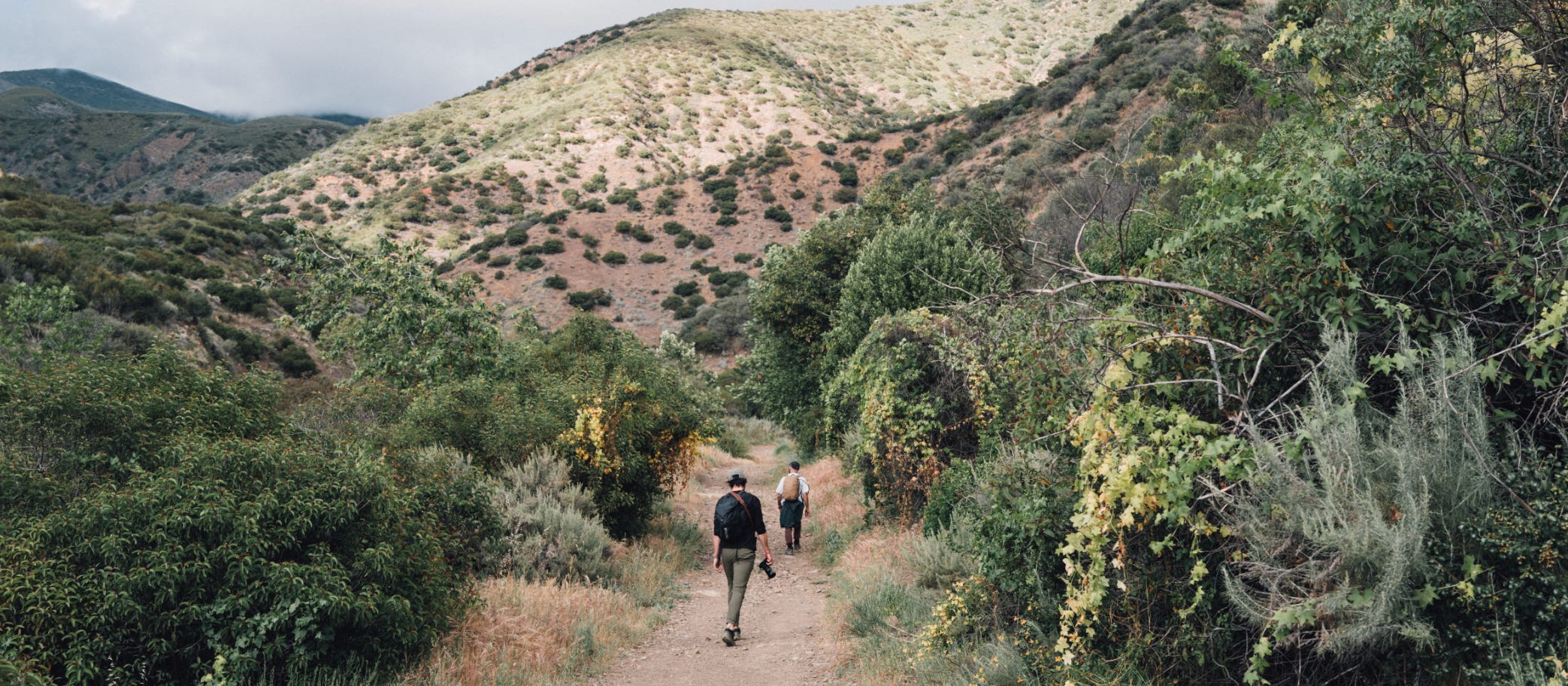
Early in April, two friends & collaborators and I gathered in the Ojai valley for a seasonal immersion. Three days together. The first two were tight: each of us arrived with a draft seasonal design, and we critiqued each other’s with love and some sharpness. Then on the third afternoon we opened the door. Walked into the nearest watershed. Journeyed together. Landed hours later on a ridge at the old observatory, watching the last light move through the valley, a sparkle of mycelium still in our systems.
Something settled up there. Three of us, hands in the dirt. The design work had done what design work can do. The land did the rest.
Carson, Ian and I have been drifting in and out of configurations for more than a decade. Carson and I ran a creative incubator in a house on Alamo Square called Taohaus. That’s where we first coined the term Guildcraft. Ian and I spent the last two years exploring a creative studio together and sharing a lot of work. The three of us spent nearly two years on a storytelling project around NFTs. We’ve traded roles over and over: close collaborators, co-founders, friends across distance, co-creators again. The configurations change. The connection endures.
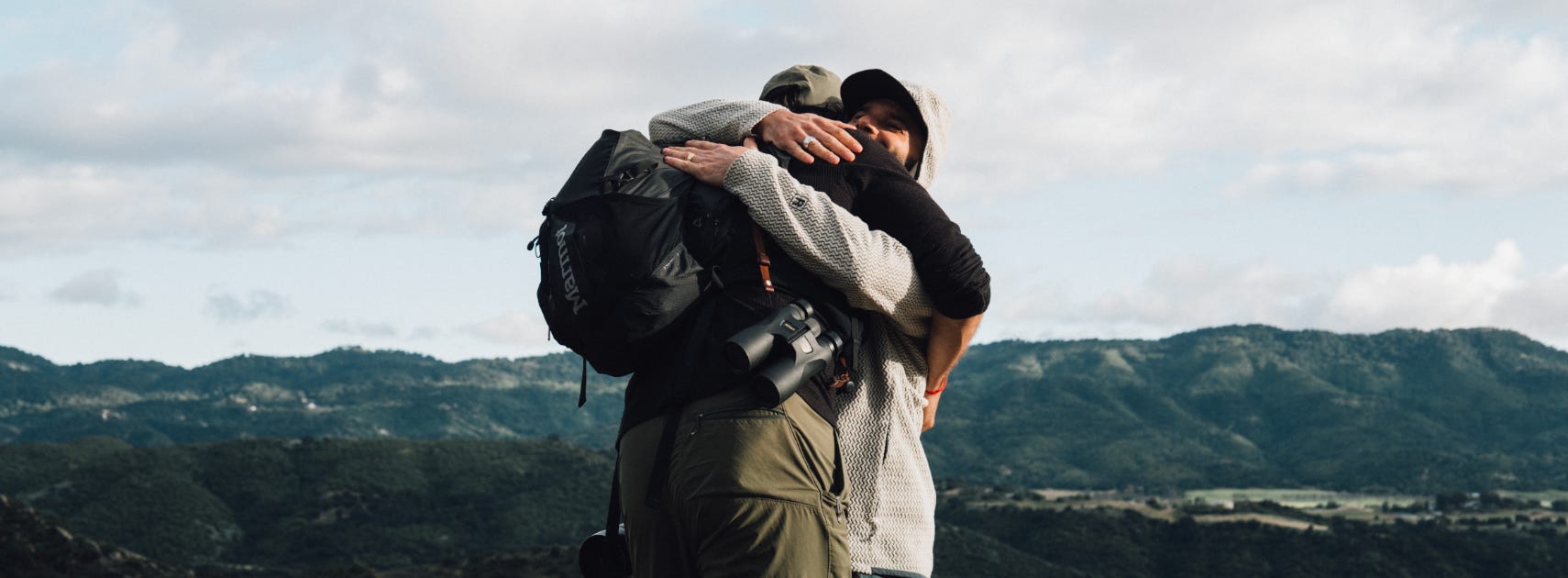
This was our spring gathering. The equinox had already passed, so we were running late on the season. But a pattern is only real when it’s practiced, and this was the first time we’d run the full shape of it together.
Who this might be for
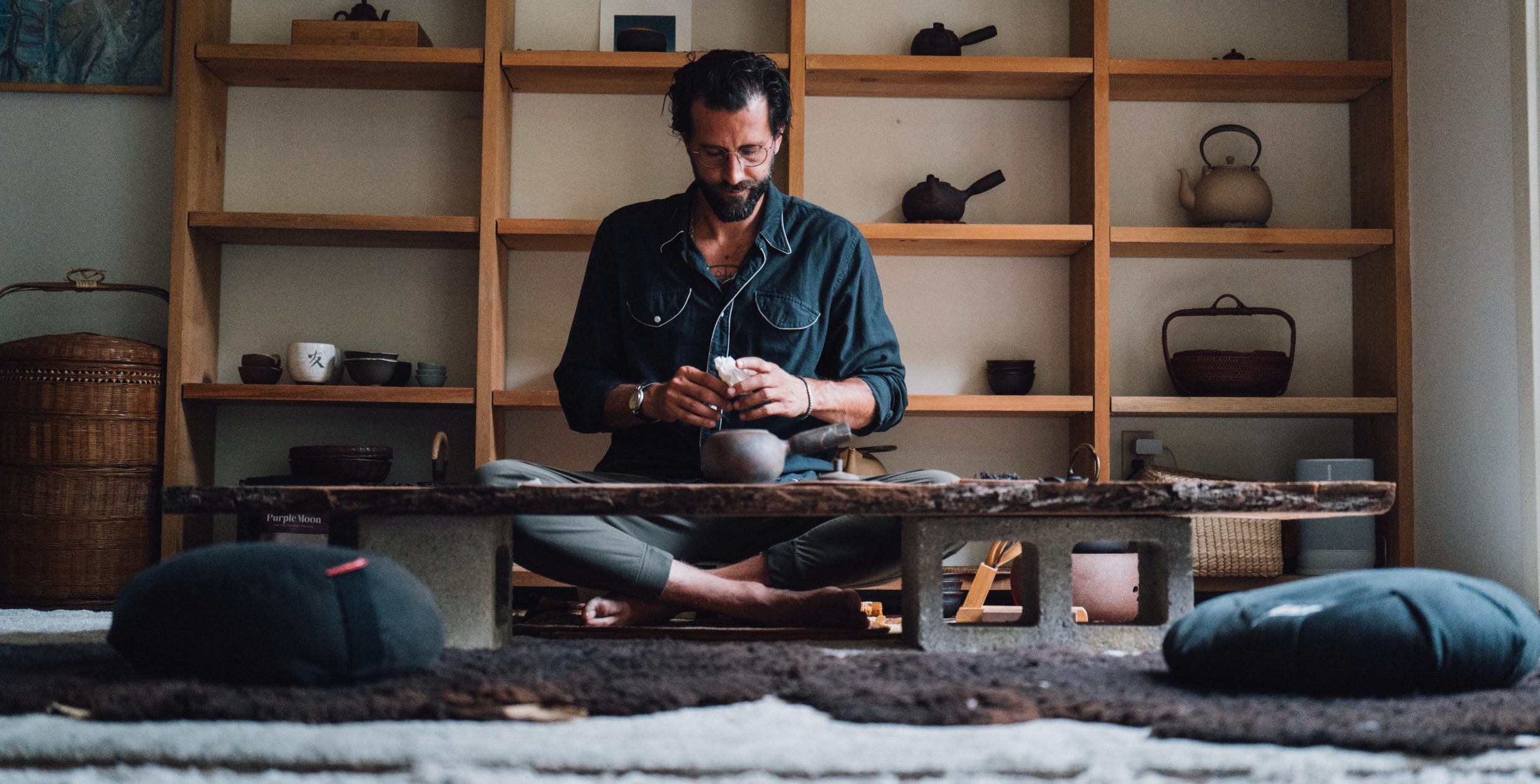
If you’re a freelance artist, a healer, a multi-hyphenate maker, you probably already know the texture. Your third Zoom of the day. Everyone’s a thumbnail. The call ends and you’re alone with the weight of what you’re building.
Most of us in these fields work gig to gig. Our creative collaborators rotate with the project. Good work happens, sometimes great work, but the camaraderie rarely outlives the invoice. We are carrying a lot, mostly alone.
I wrote about this more fully last year in In the Belly of the Whale, notes from the Atlantic Crossing, where a team of us documented Earth One’s attempt to run six guilds on a chartered ship for twelve days. The dual commitment we named there, co-creative and co-developmental, is the bone structure underneath everything I’m about to describe. If this opens anything for you, go read that one next.
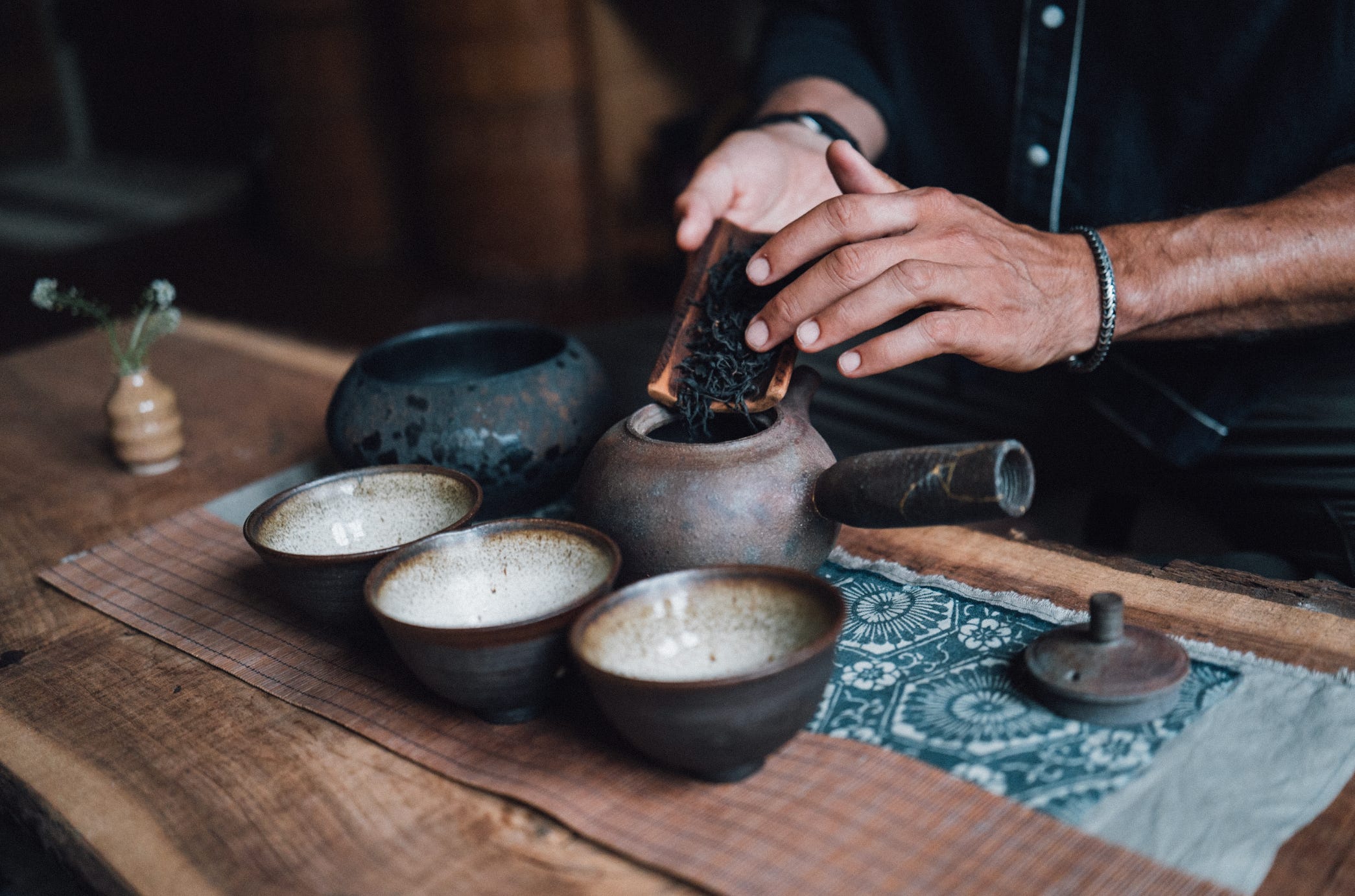
The short of it: so many of us have relationships where we make things together (often our workplace) or where we grow together (family, church, sangha), but rarely relationships where you embrace both qualities. And my feeling is, in the era we’re barreling towards, these sort of relationships might just be the most important.
What’s dissolving
Something is thinning out.
The workplace has been the organizing pattern of adult life for most of us: how we fund our days, who we see, what gives us a sense of contribution. The institutions holding that pattern in place are getting brittle quickly. AI is reshaping knowledge work and physical labor faster than most of us want to admit. The old religion of capitalism is running out of faith.
The artists and healers among us have been feeling this longer than most. Many of us eschewed the 9-to-5 years ago. Chose the freelance path, some by choice, some because the inside of the system had no place for what we cared about. We are, in some sense, the ones who’ve been living the coming condition longest. And many of us are tired.
What fills the gap?
For us, the honest answer is small crews. Practices of gathering. Shared rhythm. The things most of us used to get from religion or from a stable trade, and which most of us no longer have.
Why the word ‘guild’
Historically, guilds were about apprenticeship. How someone deepens into a craft over years, under the eye of people who have done the work longer. That developmental edge is still what I want.
I want to get better. Not just as a maker, but as a human. In my craft. In my ethical capacity. In what I’m here to offer. And I don’t think I get there alone. I want to be honed by my contemporaries. I want the slow witnessing that only comes from relationships that unfold over years. People who know me well enough to polish, to challenge, to shape.
That is not something you get from a single project. It’s something you invest in over time.
Both layers, held together
Communities without shared purpose tend to cannibalize themselves. When people come together only to come together, the bond eventually runs out of room. It needs something outside itself to be in service to.
Most workplaces go the other direction. All shared work, no attention to the humans doing it. Teams that ship together for years and never ask what’s alive, what’s in the way, what’s needed.
A guild is the practice of holding both.
Co-creative — actually making things together. Working. Risking. Finding the alignment between each person’s direction and what wants to emerge through the group.
Co-developmental — tending the humans doing the work. Witnessing the gifts. Calling each other out. Assuming the work itself is curricula for our awakening.
Neither alone. Co-creation without co-development is extraction. Co-development without co-creation is navel gazing. Both, held together, make the third thing.
The rhythms we’re practicing
We committed to four cadences this weekend.
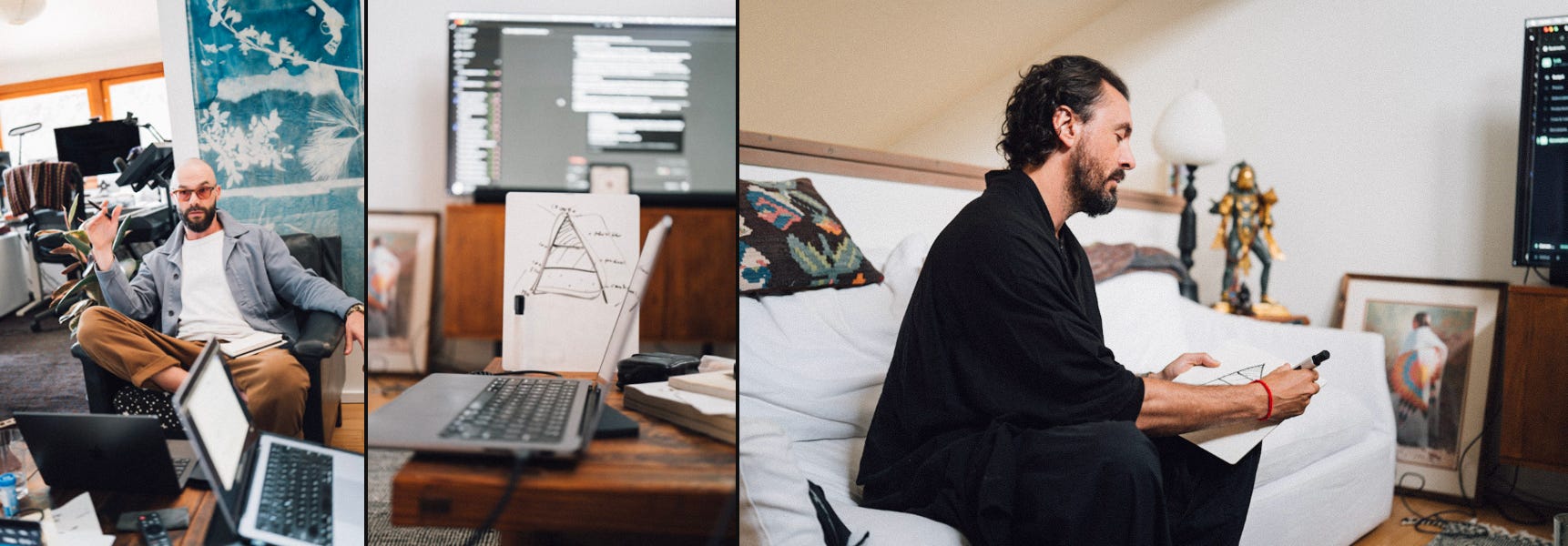
Weekly momentum calls. Each of us surfaces the top three items moving our own legacy work forward this week. Light, consistent, specific.
Monthly master class. One of us teaches the others something we want to learn. Rotates.
Monthly open studio. A block for creative work, together in the room, or in parallel, depending on the week.
Seasonal immersions. Four times a year. A few days in a place. Each arrives with their own seasonal design. We critique each other’s hard. We walk into the land. We draft what’s ours to do together.
And a congregation once a year: a larger gathering where new crews can form and the circle widens.
We’re also rotating leadership month to month. Each of us carries the calls, drives the shared work, and gets to try on the qualities of stewardship.
A first pattern to share: opening protocol
This is the simple protocol we’ve used to open every call for years now. It’s expressive of the whole pattern, in about seven minutes.
Five to ten deep breaths. Then the gut check: what’s alive, what’s in the way. Sometimes a second pass: is there anything you need? Then spacetime: how long do we have, and what’s most important?
It is explicit permission for our presence and our humanity, in the torrent of tele-meetings that most of our days are made of. The breath is the bridge. The gut check invites the whole human into the room, not just the part that shows up for the task. The spacetime question is the container.
There is always an edge to asking for it. It interrupts the default of diving straight into what’s most pressing. And I still, sometimes, have to get over my own feeling of is this woo? when I ask a Zoom full of people to close their eyes for a minute and breathe. But every time I do, the call is different on the other side. This is something you can take with you. I’d encourage you to try.
The pattern has been traveling. At the start of this immersion, the three of us got on a call with the team at a wisdom-traditions publisher we're exploring a project with. We opened their call the same way we open our own: breath, gut check, spacetime. Congruent, of course, for a house that publishes in this lineage. But also: something takes root when a protocol begins to cross teams. In that small moment, we were actually building culture together.
It is remarkable how good it feels to be asked what you need.
If you can’t see your crew yet
If you read this and think I don’t have two or three people I could actually do this with, don’t worry about it. That was me for years.
The place to start is smaller. Bring a little more humanity into your next creative project. Open the call with breath. Ask someone what’s alive, what’s in the way. Treat the work as spiritual practice, because underneath, it is. There’s a version of guildcraft that can live inside a single collaboration.
And get curious. Look around at the relationships you already have some trust in. The friend you keep meaning to collaborate with. The peer whose work you quietly admire. The person who lights you up every time you talk. There’s often a guild-shaped thing tucked inside existing relationships that just hasn’t been named yet.
We want to help. Part of why we’re sharing these patterns is that we want more of this in our field. More small, devoted containers. More artists, healers and creators building together instead of gigging alone.
Guild OS
One thread we’ve been pulling on as a guild is whether the patterns and protocols we use ourselves — the rhythms, the openings, the seasonal designs, the way we hold each other’s work — could help others boot up something similar. We’re calling it guildOS for now. The cultural operating system underneath the crew. What we open with, how we close, how we make decisions, how we tend each other through the seasons.
It might become software someday. Right now it’s the human layer — the protocols and practices we’re starting to share more openly.
More on this soon. If you’d like to hear when, drop me a line and I’ll put you on the list.
In rhythm,
Benjamin
a ( circle ) studios project
Fantastic work Ben. Maybe one day we will actually meet up. We love your mom so much. We might try to get to Chelan this summer.